Utilizziamo i cookies per offrirti la migliore esperienza sul nostro sito. Continuando a navigare, accetti l'utilizzo dei cookies.

MCCM FIRST ACT
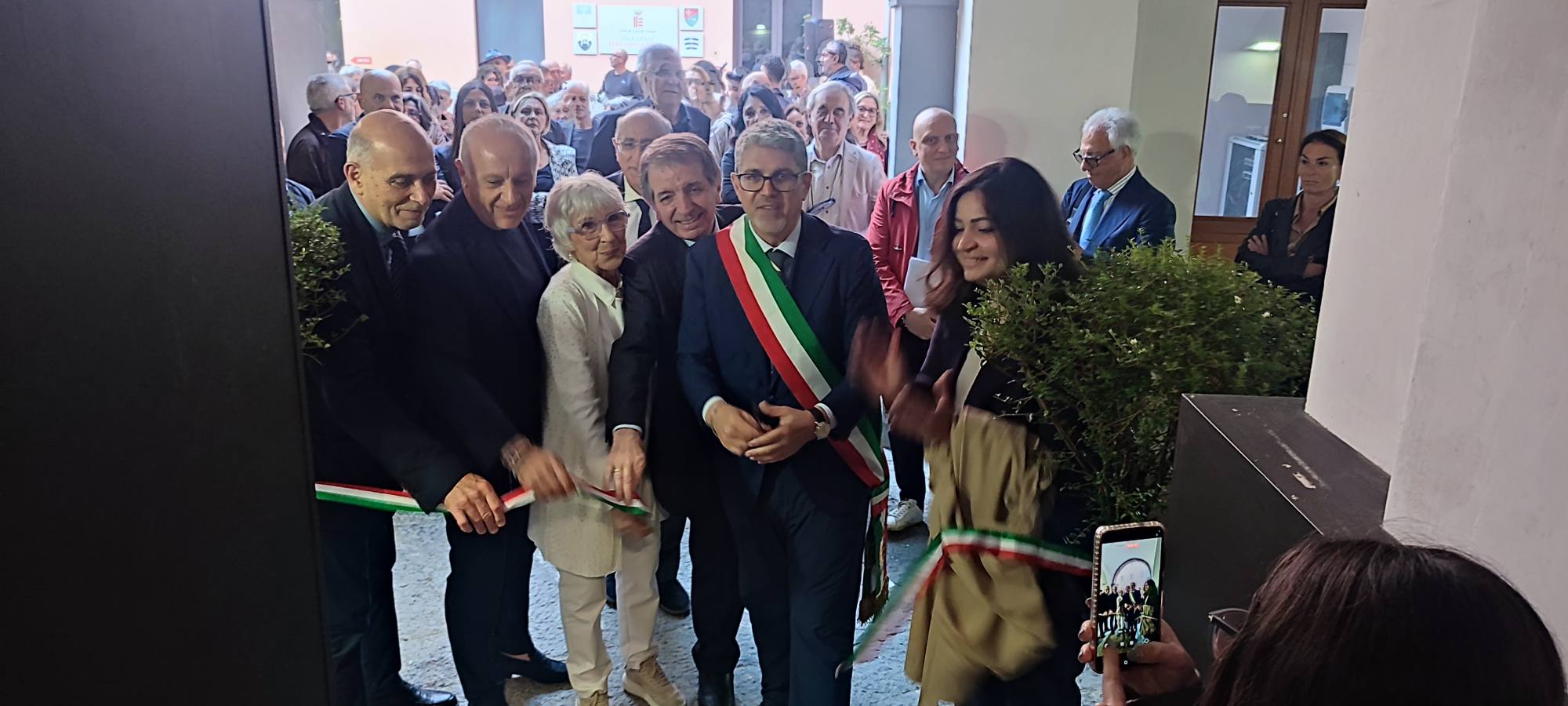
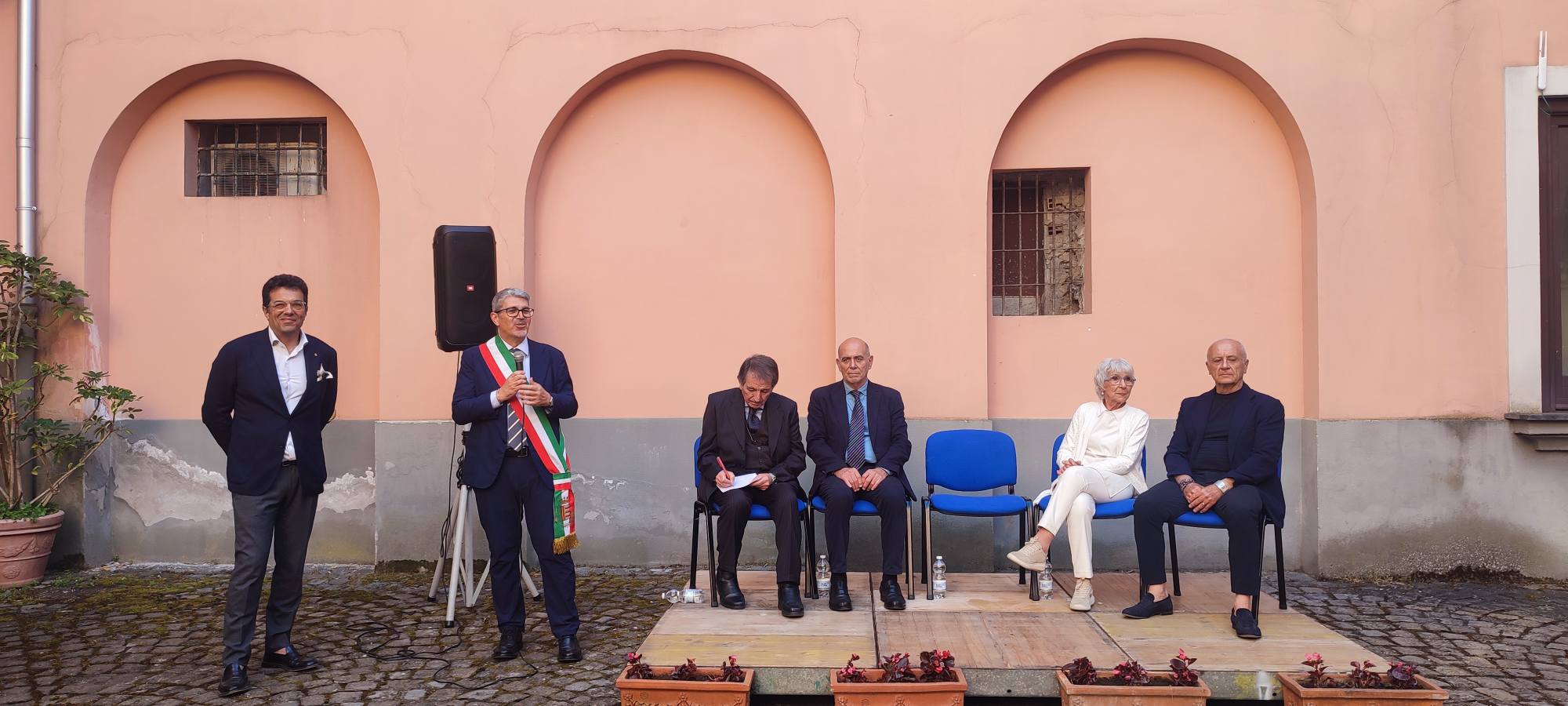
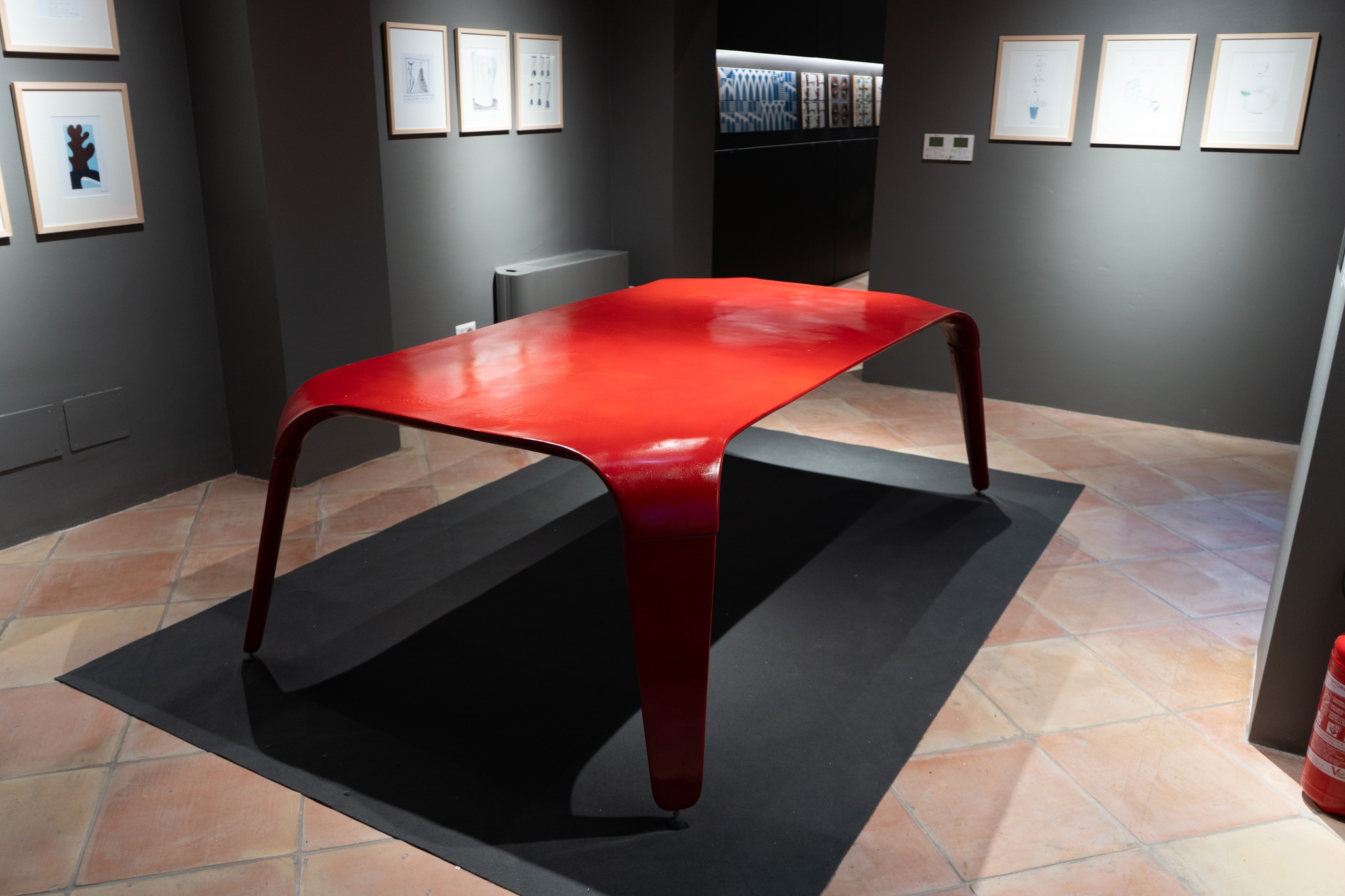
The preview reserved for the press, for operators in the sector, artists and institutions, of the Museum of Contemporary Mediterranean Ceramics, hosted inside the Palazzo della Cultura "Tommaso Avagliano", in the Historic Centre of Cava de' Tirreni, which took place on Monday 11 May, received great appreciation, as demonstrated by the large and qualified presence.
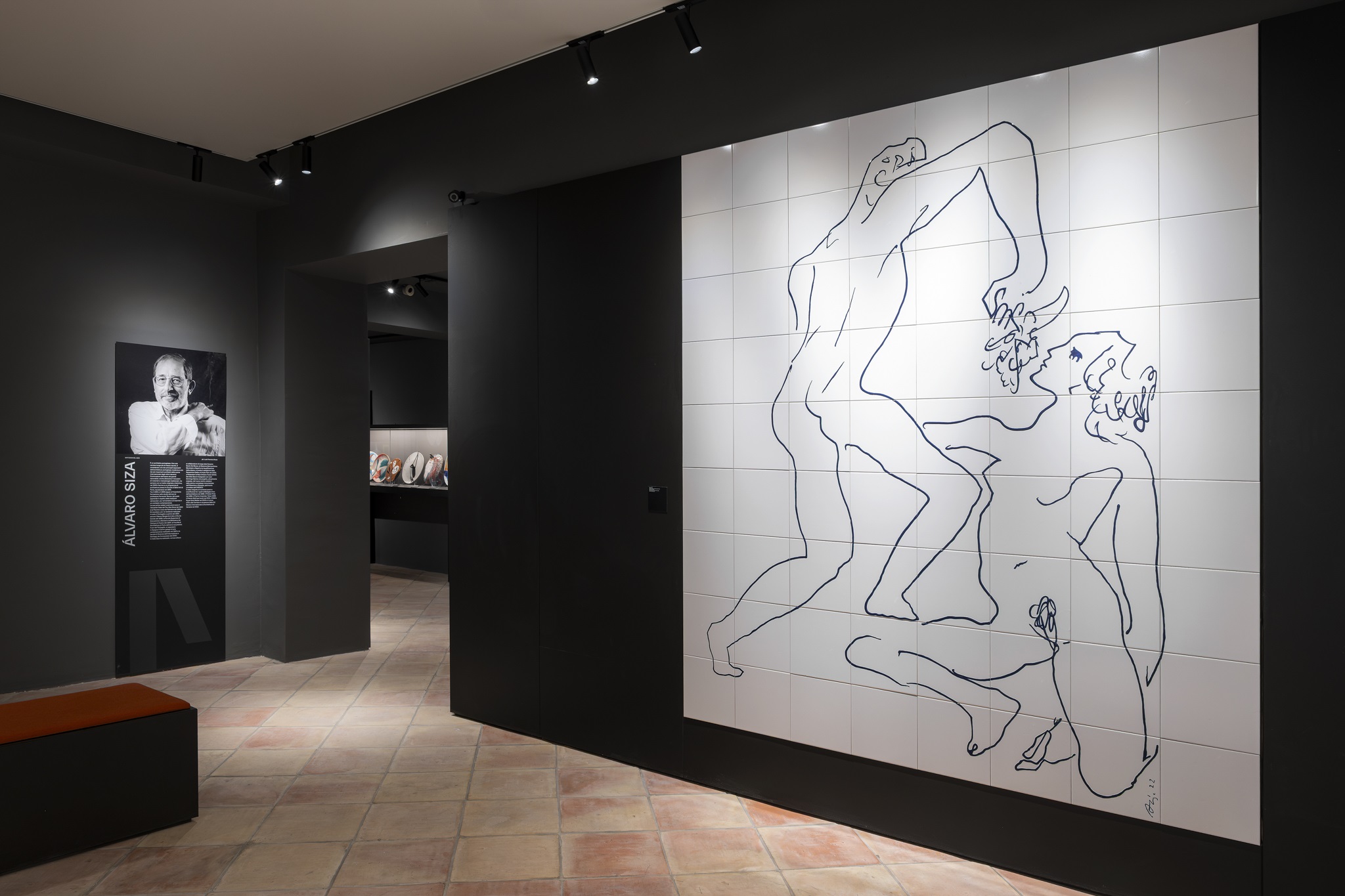
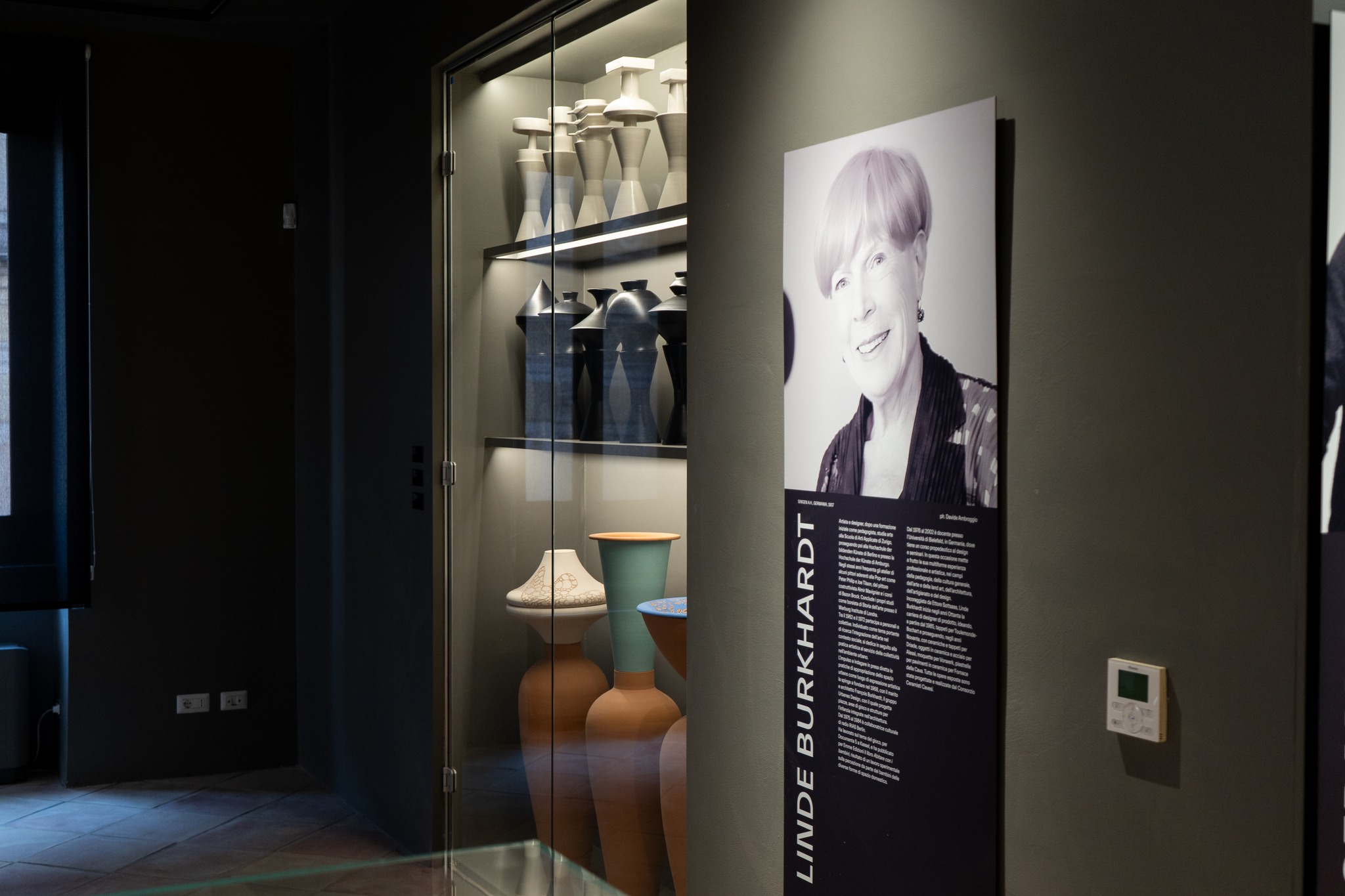
"The Museum of Contemporary Mediterranean Ceramics represents a moment of particular symbolic and cultural value for Cava de' Tirreni," said Mayor Vincenzo Servalli. "With this new space, the city renews and projects into a contemporary and international dimension an ancient tradition, deeply rooted in its history and identity, reaffirming the role that ceramics has played over the centuries as an artistic and artisanal language and as a lever for cultural, touristic, and economic development." Professor Massimo Bignardi, who curated the scientific project with Professor François Burkhardt, architect Diego Granese, who oversaw the exhibition, Lucio Rubano, Vice President of the AiCC (Italian Association of Ceramic Cities), and Maria Rosaria Perdicaro, a long-standing entrepreneur in the ceramics industry, owner of successful brands worldwide, and promoter of the Museum, explained the new Museum of Contemporary Mediterranean Ceramics to those present. "With the establishment of the Museum of Contemporary Mediterranean Ceramics, the Municipality of Cava de' Tirreni has created a unique museum institution in the entire panorama of Southern Italy," states Professor Massimo Bignardi, former professor of Contemporary Art History and Environmental Art and Landscape Architecture. "The creation of a cultural structure with the potential to effectively promote the ceramic tradition of the companies operating in the City of Cava de' Tirreni and the Salerno area, which has focused on interior design since the 1950s. It aims to be the first interregional fund for the entire Southern Italy region, documenting and promoting contemporary ceramic art, industrial design, and the production of artists and designers who have worked in both artisanal companies and industrial sectors, regenerating and renewing this age-old tradition." The MCCM covers approximately 700 square meters and is divided into eleven rooms that house both monographic exhibitions—including the room dedicated to the three large ceramic panels from the "Della Vita" cycle by Portuguese star architect Alvaro Siza, a unique example in European museums—and artifacts documenting the relationship of various regional artists with ceramics. The exhibition unfolds through a succession of spaces where every element, from the arrangement of the works to the choice of color for the surfaces, is designed to create a balance between innovation and historical roots.
"The Museum's layout was conceived as an evocative journey, in which clay, ash, and coal are not just materials, but symbols of transformation and memory," says architect and designer Diego Granese. "The project stands out for its contemporary character, enhancing the material depth of the works through a continuous dialogue between light, surfaces, and volumes. The architecture of the spaces, while essential and rigorous, welcomes the visitor in an embrace of warm colors, vibrant surfaces, and details that hark back to the millennia-old history of Mediterranean ceramics. The exhibition rooms feature installations designed to emphasize the relationship between artwork and space. Modern paneling, backlit display cases, and minimalist display supports become an integral part of a layout in which every detail is designed to ensure an immersive and emotional experience. The Museum is a living organism, capable of transforming over time, hosting new exhibitions and experiments that constantly enrich the dialogue between past and present." MCCM was created with funds from the Integrated Sustainable Cities Program - POR Campania ERDF 2014/2020, amounting to approximately €563,000. It is part of a broader urban redevelopment and cultural heritage enhancement project initiated by Giovanna Minieri, Councilor for Urban Planning. Subsequently, the project was further enhanced with over €8 million in funding, reaching a total value of over €19 million. The project was overseen in its full implementation by Anna Padovano Sorrentino, Councilor for Cultural Heritage and Activities.
"The Museum of Contemporary Mediterranean Ceramics represents an opportunity for our entire network," says Lucio Rubano, Vice President of the Italian Association of Ceramic Cities. "The strength of the AiCC lies in bringing together diverse entities; within this system, the Cava de' Tirreni museum can offer its specific contribution through design and outreach. I envision a concrete collaboration: shared exhibitions involving multiple European regions and projects where the theme of contemporary Mediterranean ceramics becomes a strong connecting element. It's a mutual exchange: the museum enriches the network, and the AiCC network offers the museum a wealth of expertise and relationships to establish it in the national and international system.
A public tender will be published in the coming weeks to govern the assignment and management of the Museum, with the aim of ensuring qualified governance and stable cultural programming with at least a national reach.
28-05-26 Antonio Di Martino